
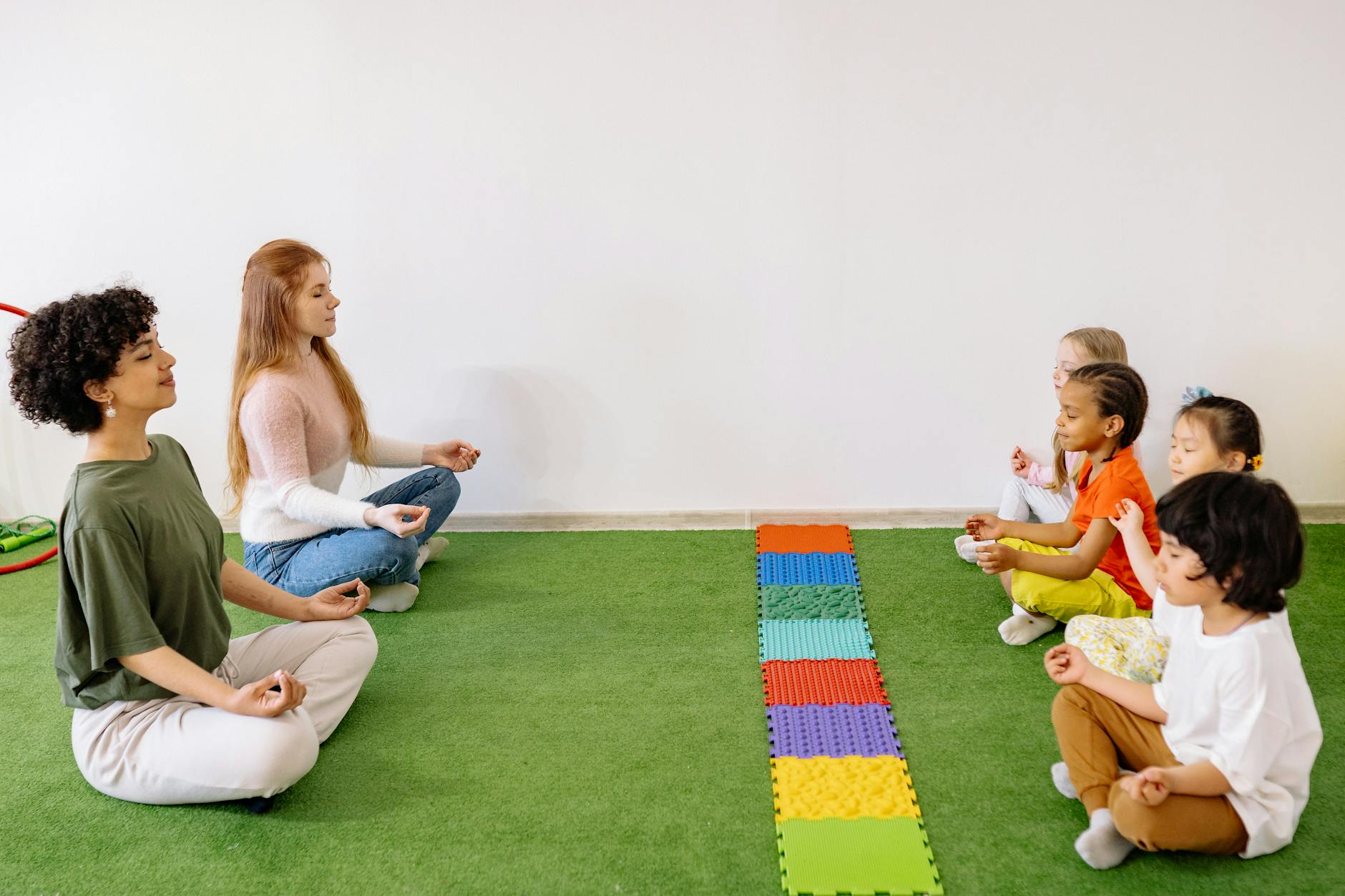

What Makes Early Childhood Education Unique in Australia

Educational Frameworks
Australian Context and Standards
In Australia, early childhood education benefits from a robust framework that emphasises holistic development and cultural inclusivity. As educators, understanding these frameworks is crucial to fostering an environment where children thrive. The Early Years Learning Framework (EYLF) is central to this goal, promoting a strong foundation for learning in the crucial early years. It aligns with national standards that value each child's learning journey, while also accommodating for the diverse backgrounds they come from, much like how the Sydney Opera House embraces varied performances from around the world.
Curriculum Approaches
Curating a curriculum that respects and leverages the unique Australian context is paramount. One approach is incorporating local Indigenous perspectives, ensuring that children appreciate Australia's rich heritage from a young age. As part of professional development, educators might explore community services courses to broaden their understanding of community engagement and how it intersects with educational practices. This deeper insight can lead to more inclusive and meaningful learning experiences for all children.
Inclusion and Diversity Strategies
Diversity is a cornerstone of Australian society, and this is reflected in early childhood education. Strategies to include children from all walks of life range from adaptive technologies to culturally sensitive teaching practices. Courses like aged care courses and cert 3 in individual support can enhance educators' skills in creating supportive environments for varied needs. Implementing these strategies requires patience, creativity, and a commitment to learning, ensuring every child feels empowered to succeed.
Environmental Influences
Impact of Natural Settings
The influence of natural settings on early childhood education in Australia is profound and far-reaching. Sydney's stunning landmarks, like Bondi Beach, serve as perfect examples of how educators can utilise natural environments to enhance learning experiences. Exposure to nature has been shown to reduce stress and improve cognitive function, benefiting children in both their emotional and educational development. Engaging with natural settings can aid children in developing a sense of wonder and curiosity, which are crucial aspects of aged care training and early childhood development alike.
Cultural Celebrations in Education
Incorporating cultural celebrations into educational settings is another distinctive feature of early childhood education here. These celebrations offer more than just festive occasions; they provide valuable opportunities for children to learn about diversity, inclusivity, and the rich cultural tapestry that defines Australia. By understanding traditions and histories different from their own, children develop empathy and respect, echoing the values within the certificate iv in mental health.
Community Engagement Practices
Community engagement is vital in shaping educational experiences. Schools and early childhood centres often collaborate with local communities, enabling children to participate in community-based projects and activities. These initiatives not only enrich learning but also create a bridge between educational institutions and the communities they serve. Such practices encourage lifelong learning, a principle that is equally essential for professionals in fields like mental health and community services. The focus on community collaboration highlights how early education can build strong foundations for children, preparing them for future challenges with resilience and adaptability.
Quality and Regulation
National Quality Framework
Navigating the distinct landscape of early childhood education in Australia requires an understanding of the National Quality Framework (NQF). Introduced to uplift standards in early childhood care, the NQF provides comprehensive guidelines that encompass everything from educational programs to staffing and health practices. Its core components are designed to create environments that foster children's learning and development, offering the kind of quality oversight essential for any child care courses you consider.
Accreditation and Assessment
Accreditation isn't just about ticking a box; it's about ensuring each childcare centre meets strict benchmarks. Regular assessments evaluate centres on seven key quality areas, ensuring they not only comply with regulations but also excel in areas such as health and safety, relationships with children, and collaborative partnerships with families. This helps parents and professionals alike understand the calibre of care provided.
Ongoing Professional Development
For educators, continuous learning is critical. In our dynamic educational sector, remaining current with professional development is vital. Opportunities range from in-person workshops to childcare courses online, ensuring that educators have flexible pathways to enhance their skills. Staying updated isn't just about improving educational outcomes; it's about enriching the early childhood experience. As I often reflect when gazing at the Sydney Opera House, iconic structures aren’t built overnight but through ongoing dedication and refinement.
Innovative Practices
Technology in Classrooms
Embracing technology within classrooms transforms the landscape of early childhood education, providing dynamic learning opportunities tailored to each child's developmental stage. Smartboards and tablets are often integrated into lessons to encourage interactive participation, enhancing engagement and cognitive development. These tools, when used effectively, can support the individual learning paths of students, making education more inclusive and accessible to those with diverse needs. It's essential to pair these technologies with traditional learning methods for a balanced educational experience.
Play-Based Learning Models
Incorporating play into the educational framework fosters an enriched environment for children to explore their creativity and curiosity. Play-based learning is central to early childhood education in Australia. It nurtures problem-solving skills and emotional intelligence through structured and unstructured play activities. These experiences are vital for cognitive growth and social interaction, supporting the overarching goals of the diploma of community services program, which emphasizes holistic approaches to education. Educators are encouraged to provide a variety of play scenarios that challenge and engage children across various development levels.
Parent and Family Involvement
Family engagement is key to reinforcing learning and development outside of educational settings. Strong communication channels between educators and families ensure that learning objectives are supported at home, creating a cohesive developmental approach. Families are encouraged to participate in classroom activities and curriculum planning, enhancing their children's educational experience. Whether attending workshops or participating in family-oriented events, such involvement empowers families to contribute meaningfully to their child's educational journey.
Future Directions in Early Childhood Education
Embracing Technological Advancements
As educators in Sydney, nestled between the iconic Sydney Opera House and the sun-kissed sands of Bondi Beach, we must seize technological opportunities to enhance inclusivity in our curriculums. With emerging tools that democratise learning, we can offer tailored experiences that accommodate each child's unique needs while integrating digital resources responsibly. Innovations like virtual field trips to the Taronga Zoo can make learning experiences richer and more engaging.
Navigating Policy Changes
Australia's educational landscape is ever-evolving, and staying abreast of policy changes is essential. Recent adaptations, particularly those that affect funding models and regulatory standards, require our immediate attention. Engaging with professional development opportunities—both online and in-person seminars—keeps us well-informed and ready to implement changes confidently. Understanding how policies influence short term loans, for instance, allows educators to better advocate for necessary resources.
Strengthening Community Partnerships
To truly make a difference, building strong connections with local communities is indispensable. By leveraging cultural insights and community assets, we enrich our classrooms with diverse perspectives, anchoring our practices in real-world experiences. Engagement with local initiatives—be it through collaborations with cultural institutions or community gatherings—catalyses inclusive learning experiences. Recognising the role of geographical, economical, and cultural factors ensures that our efforts are grounded in a holistic understanding.
In our journey to refine early childhood education, one crucial aspect is to continually intertwine the diverse educational needs of all learners with innovative practices. This approach not only fosters development but also empowers us to transcend the challenges that come with resource limitations and misconceptions.